November 12, 2026
The automotive industry is constantly evolving, and with it, the way we repair vehicle exteriors. Paintless Dent Repair (PDR) is one such innovative technique, offering a modern approach to address dents without the need for repainting or extensive bodywork. By enrolling in hands-on paintless dent repair classes, individuals can gain practical skills and knowledge, positioning themselves for career growth in a field that values precision and efficiency.
Mastering the Fundamental Principles of PDR
Defining the Core Paintless Repair Process
Paintless Dent Repair (PDR) is a technique that allows technicians to remove minor dents from a vehicle's exterior without affecting the paintwork. This process involves skillfully manipulating the metal back to its original form using specialized tools, preserving the factory finish of the vehicle. Popular in the automotive repair industry, PDR is commonly taught in comprehensive paintless dent repair classes to address hail damage, door dings, and minor creases without needing a detailed paint job. One of the remarkable aspects of PDR is its ability to maintain the integrity of protective coatings, such as ceramic layers, when performed with precision and care, according to Panda Hub. This non-invasive approach is appealing to car owners who wish to preserve the resale value of their vehicles.
Tracing the Historical Evolution of Techniques
The origins of Paintless Dent Repair can be traced back to the 1940s when innovative methods for maintaining car show floors began to emerge. Initially used by auto manufacturers to ensure new vehicles remained pristine on display, PDR slowly evolved into a recognized repair method. Over the decades, it has transformed from an in-house secret at manufacturing plants to a mainstream practice widely adopted across the globe.
Highlighting Key Commercial and Financial Benefits
One of the primary benefits of Paintless Dent Repair is its ability to maintain the original factory finish of a vehicle, which is crucial for preserving its aesthetic and resale value. Because PDR does not involve sanding, body fillers, or repainting, it is an invaluable technique for car owners looking to conserve their vehicle's originality. Attending accredited paintless dent repair classes helps aspiring technicians master this speed and cost-effectiveness, enabling faster turnaround times and lower repair bills compared to traditional methods.
Identifying Specialized Tools for Dent Removal
Technicians specializing in Paintless Dent Repair rely on a diverse set of tools tailored for various types of dent removal. Some of the most commonly used tools include stainless steel rods, which come in different shapes and sizes to accommodate various access points on a vehicle. These rods are specifically designed to apply precise pressure from the underside of the panel, coaxing the metal back to its original shape.
Reviewing the Full Dent Removal Workflow
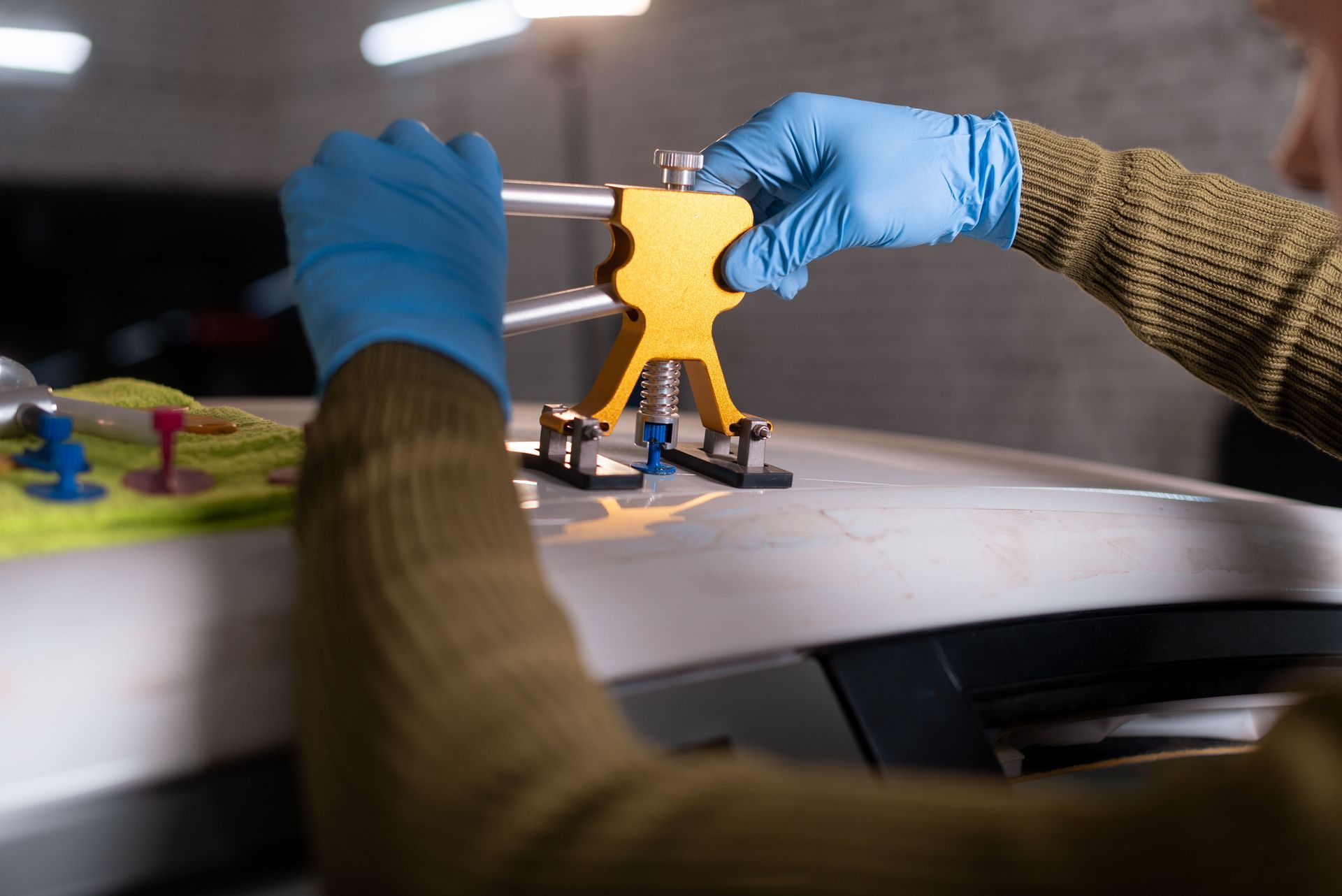
The Paintless Dent Repair process begins with assessing the damage to determine whether PDR is a viable solution. Technicians look for signs that the paint hasn't cracked and the impact hasn't stretched the metal beyond repair. Once deemed suitable for PDR, the next step involves gaining access to the rear of the panel where the dent resides or, alternatively, using glue pull techniques.
Recognizing the True Value of Training
Evaluating the Drawbacks of Online Courses
While online learning resources offer introductory information about Paintless Dent Repair, they cannot replicate the practical experience gained from hands-on training. PDR is a tactile skill that hinges on the application of force, touch sensitivity, and dexterity, aspects that are challenging to convey through digital instructions alone. Taking dedicated paintless dent repair classes overcomes limited visual angles and the absence of experiential feedback found in online platforms, which can otherwise hinder a learner's ability to grasp the complexities of PDR fully.
Experiencing Direct Benefits of Tactile Practice
Engaging in practical Paintless Dent Repair training is essential for mastering the intricate skills necessary for high-quality repairs. Within a hands-on learning environment, students experience the immediate impact of their actions on vehicle panels, allowing for direct feedback and skill improvement. This real-time application of theoretical knowledge results in a more profound and lasting understanding of PDR techniques.
Comparing Real Practice to Traditional Classrooms
While traditional classroom settings offer a comprehensive overview of Paintless Dent Repair theory and methodology, they often fall short in imparting the necessary practical skills. Combining theoretical education with practical application is crucial; the latter provides firsthand experience that cannot be achieved through classroom learning alone. Enrolling in immersive paintless dent repair classes ensures that students translate theoretical concepts into practice, solidifying their understanding of PDR processes.
Simulating Demanding Real-World Shop Repair Scenarios
A significant advantage of hands-on Paintless Dent Repair training is exposure to real-world applications and scenarios that mirror the challenges faced in professional settings. Students gain practical insight into dealing with various types and sizes of dents, equipping them with the flexibility to address different repair tasks. Working within realistic conditions enhances problem-solving skills and the technician's ability to adapt to unforeseen situations.
Receiving Direct Guidance from Industry Mentors
Instructor-led training for Paintless Dent Repair offers significant benefits, primarily through direct mentorship and expert guidance. Experienced instructors provide immediate feedback, correct techniques in real-time, and share valuable insights, enhancing the overall learning experience for students. This personalized attention ensures that students not only grasp the technical requirements but also appreciate the nuances of efficient and effective PDR.
Navigating the Curriculum of PDR Programs
Understanding Structured Course Outlines and Schedules
Structured paintless dent repair classes follow a curriculum designed to balance theoretical understanding with hands-on practice. Courses typically begin with foundational knowledge of automotive bodywork and the principles underlying PDR techniques. This stage is essential for familiarizing students with the tools, safety protocols, and preparation requirements essential for effective dent repair.
Treating Diverse Forms of Vehicle Damage
Specialized paintless dent repair classes cover an extensive range of dent types and damage levels to equip students with the versatility needed to tackle varying repair scenarios. Starting with minor door dings commonly found in parking lots, students learn crucial entry-level techniques that serve as a foundation for more advanced repairs. The training also delves into handling more complex dents, such as creases, which require advanced manipulation skills and tool selection.
Utilizing Professional Grade Equipment and Tools
Professional courses furnish students with all the necessary tools and equipment to ensure a comprehensive learning experience. At the foundation of every PDR toolkit are the stainless steel rods available in various lengths and shapes tailored for accessing different panel locations. Providing students with a diverse set of rods encourages exploration and experimentation, facilitating the transition from classroom learning to proficient practice.
Observing Live Demonstrations Led by Experts
Live demonstrations form a crucial component of the hands-on learning experience in paintless dent repair classes. Observing instructors conduct real-time dent repairs provides students with a valuable opportunity to witness expert techniques and problem-solving approaches. These demonstrations bring theoretical concepts to life, bridging the gap between academic understanding and practical execution.
Earning Formal Certifications and Industry Credentials
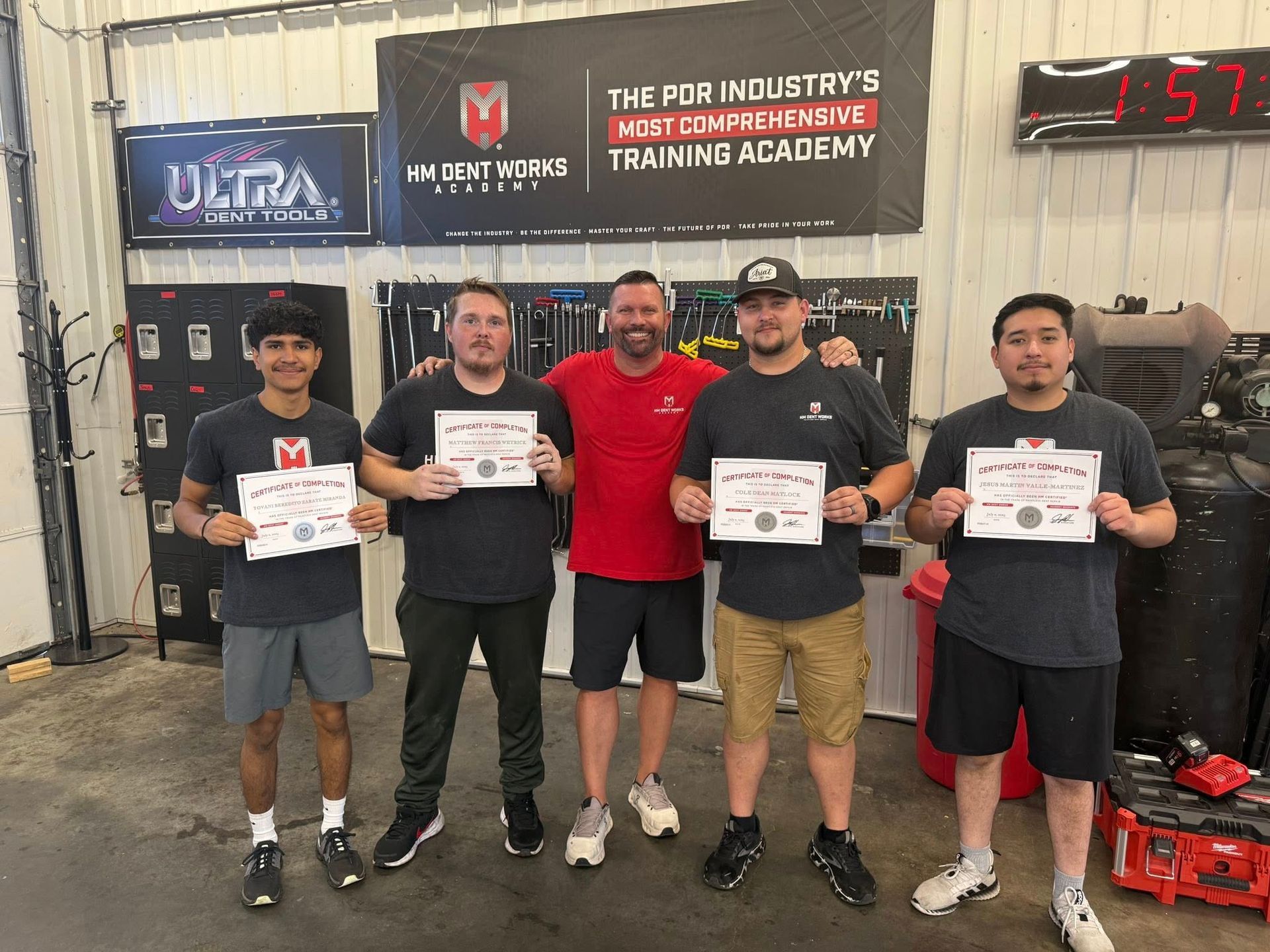
Participating in comprehensive courses often culminates in certification or accreditation, validating the skills and knowledge acquired during training. Recognized credentials enhance employability, offering graduates a competitive edge in the automotive repair job market. Certifications serve as formal acknowledgment of proficiency, signaling to potential employers or clients that the technician has met industry standards.
Mastering the art of paintless dent repair provides a clear pathway to a rewarding career in the thriving automotive reconditioning industry. Through immersive instruction, professional mentorship, and tactile practice, students develop the precision required to restore vehicle panels to pristine condition without compromising factory finishes. Investing in hands-on training builds lasting technical confidence and equips graduates with an in-demand trade that remains both lucrative and future-proof.
Launch your career in automotive restoration today by contacting HM Dent Works Academy to enroll in our hands-on paintless dent repair classes!